
Rising River VR
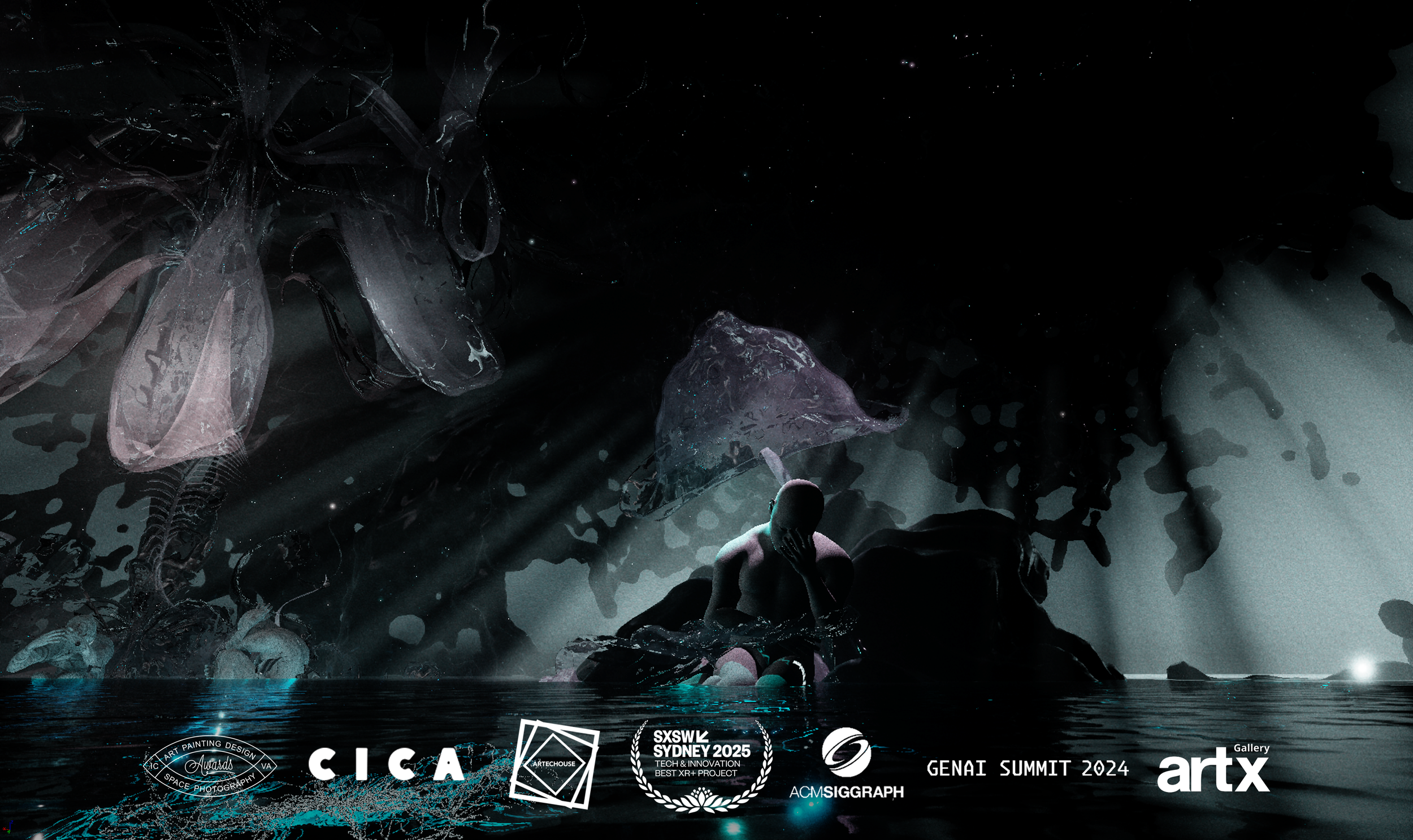
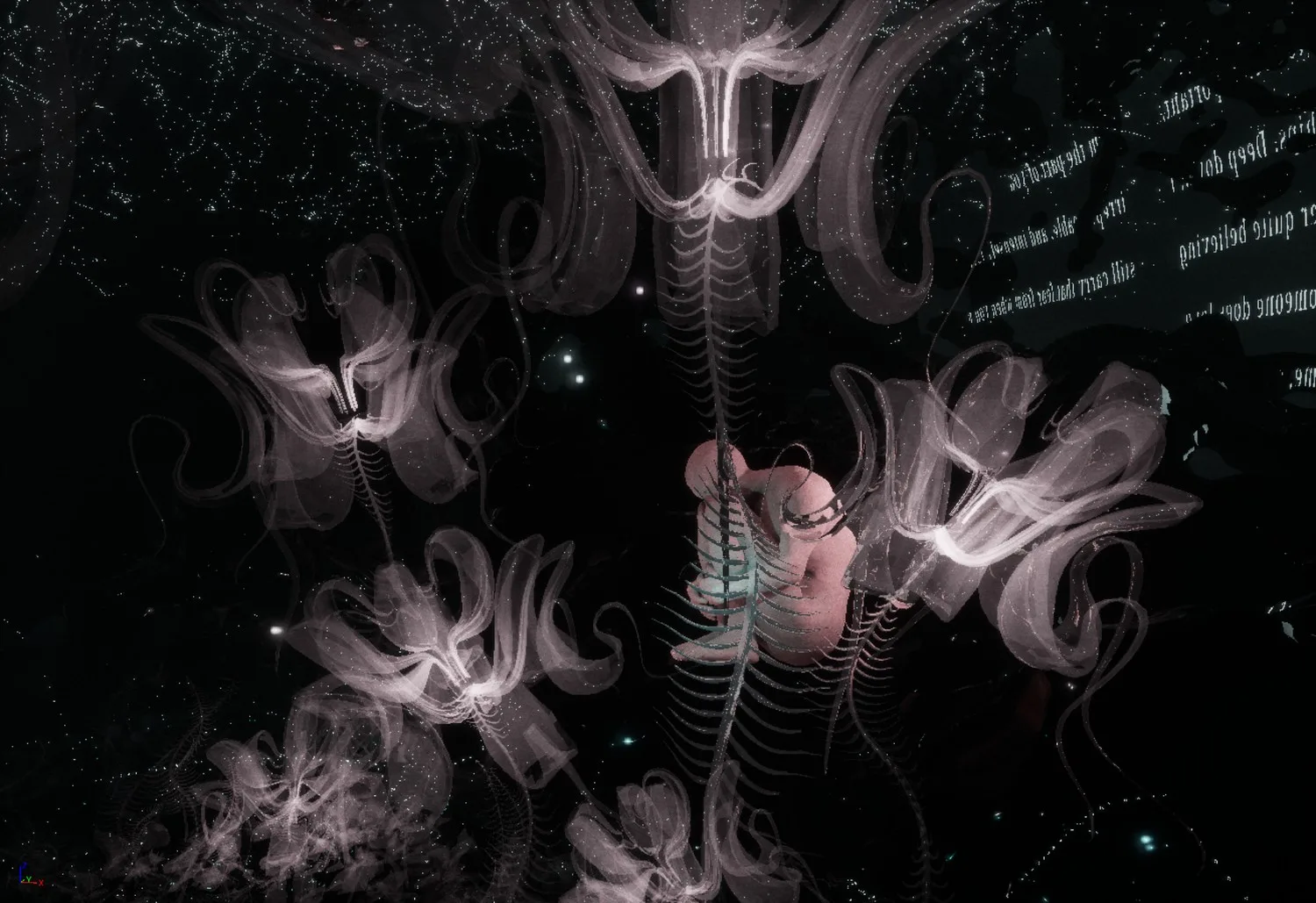
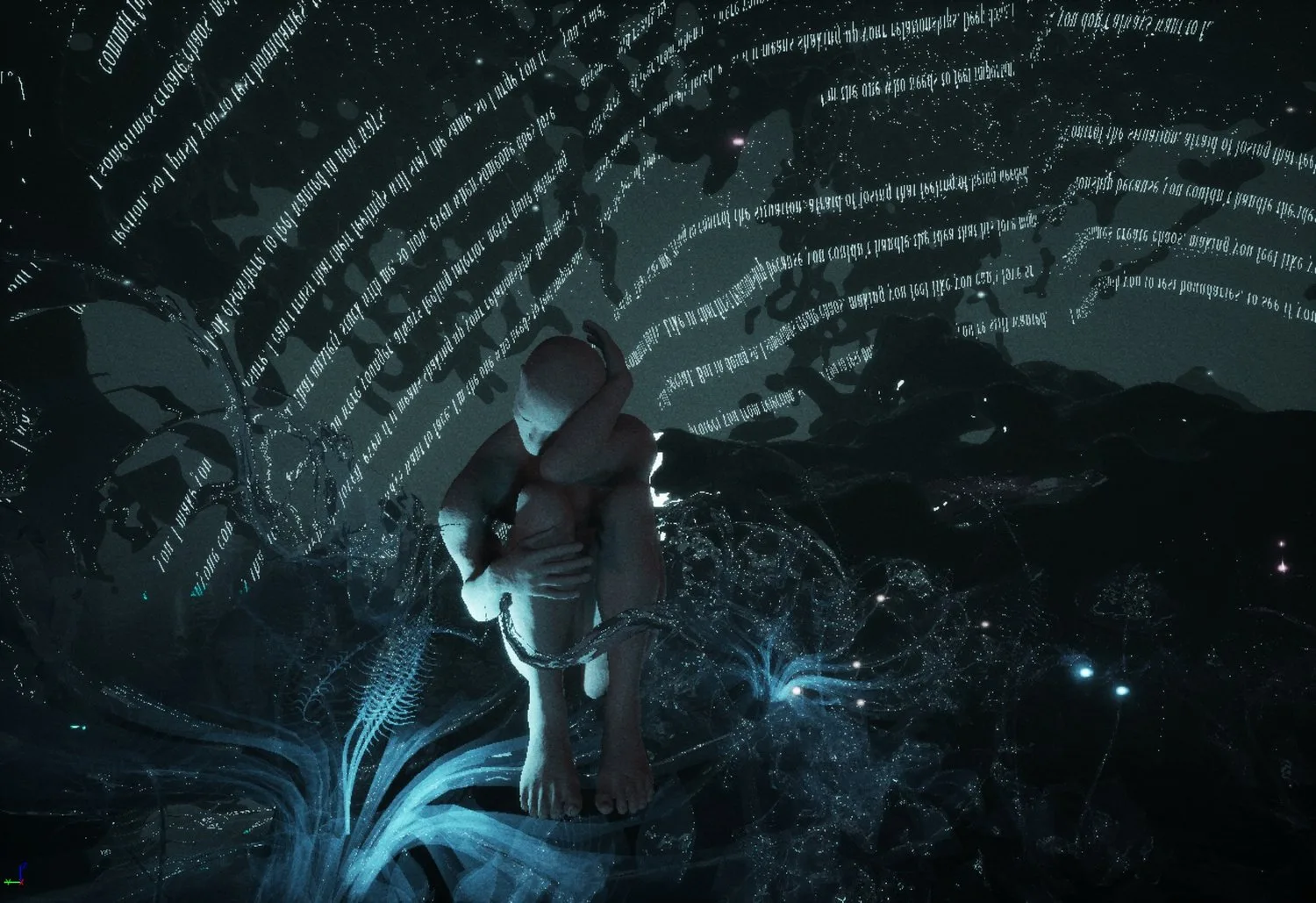
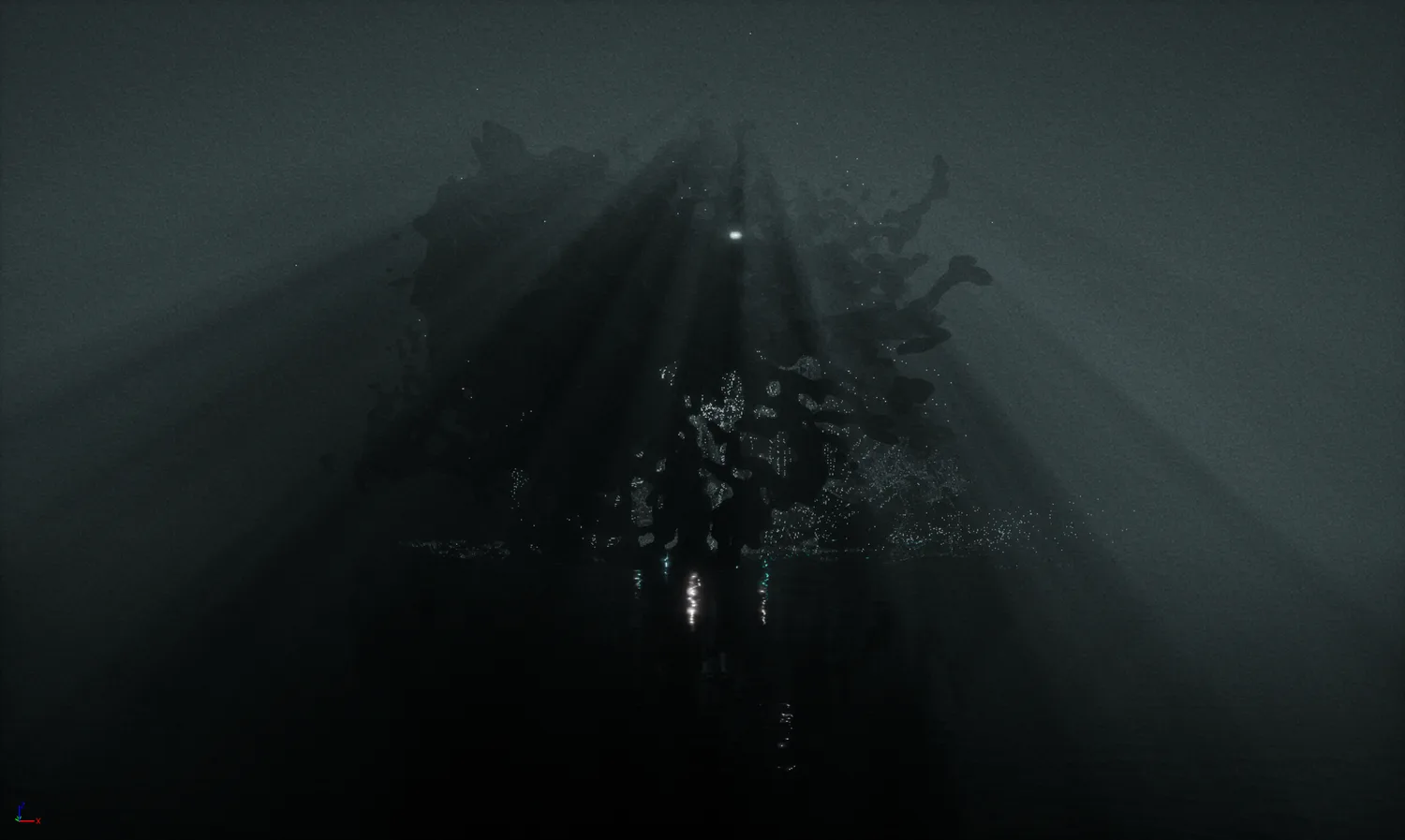
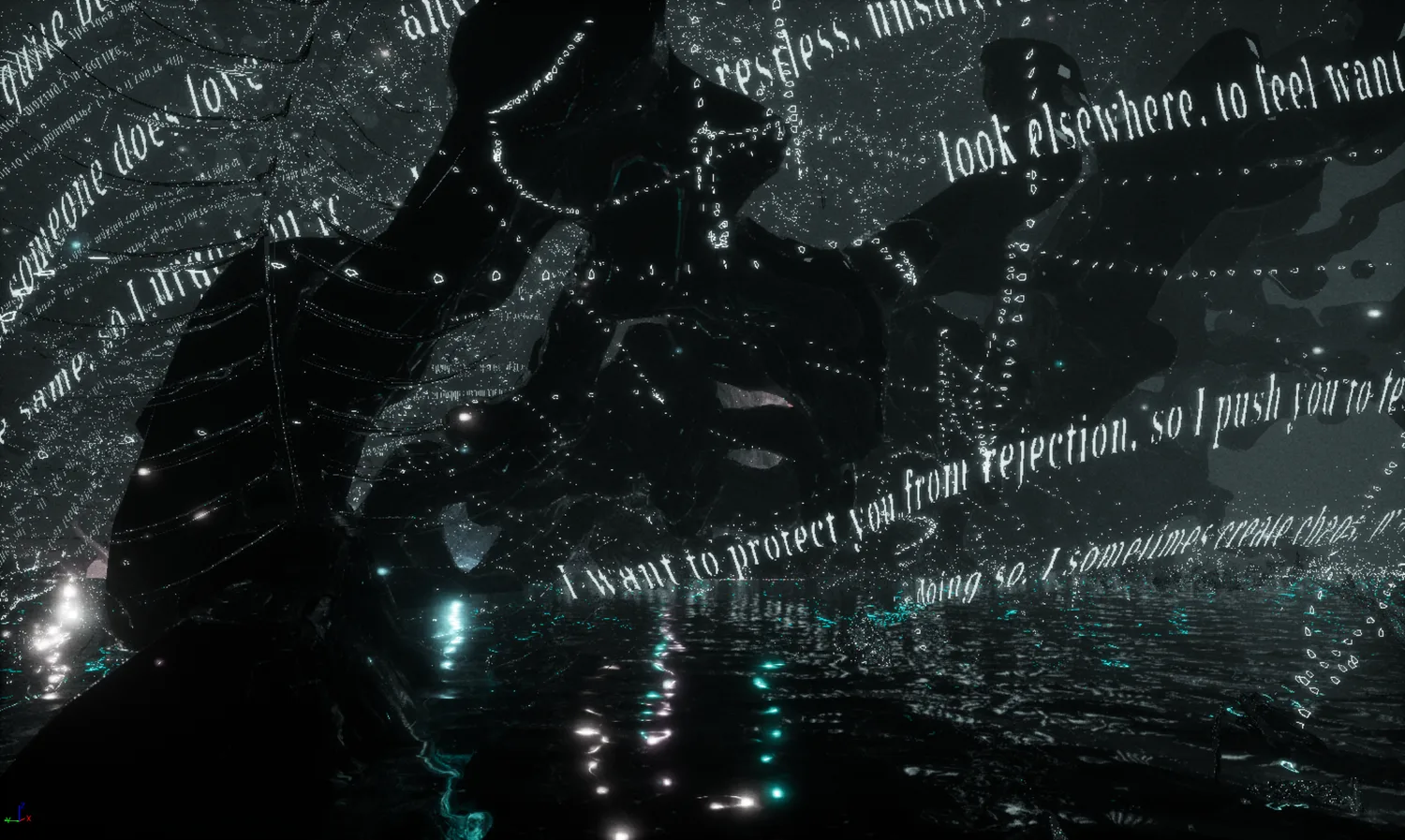
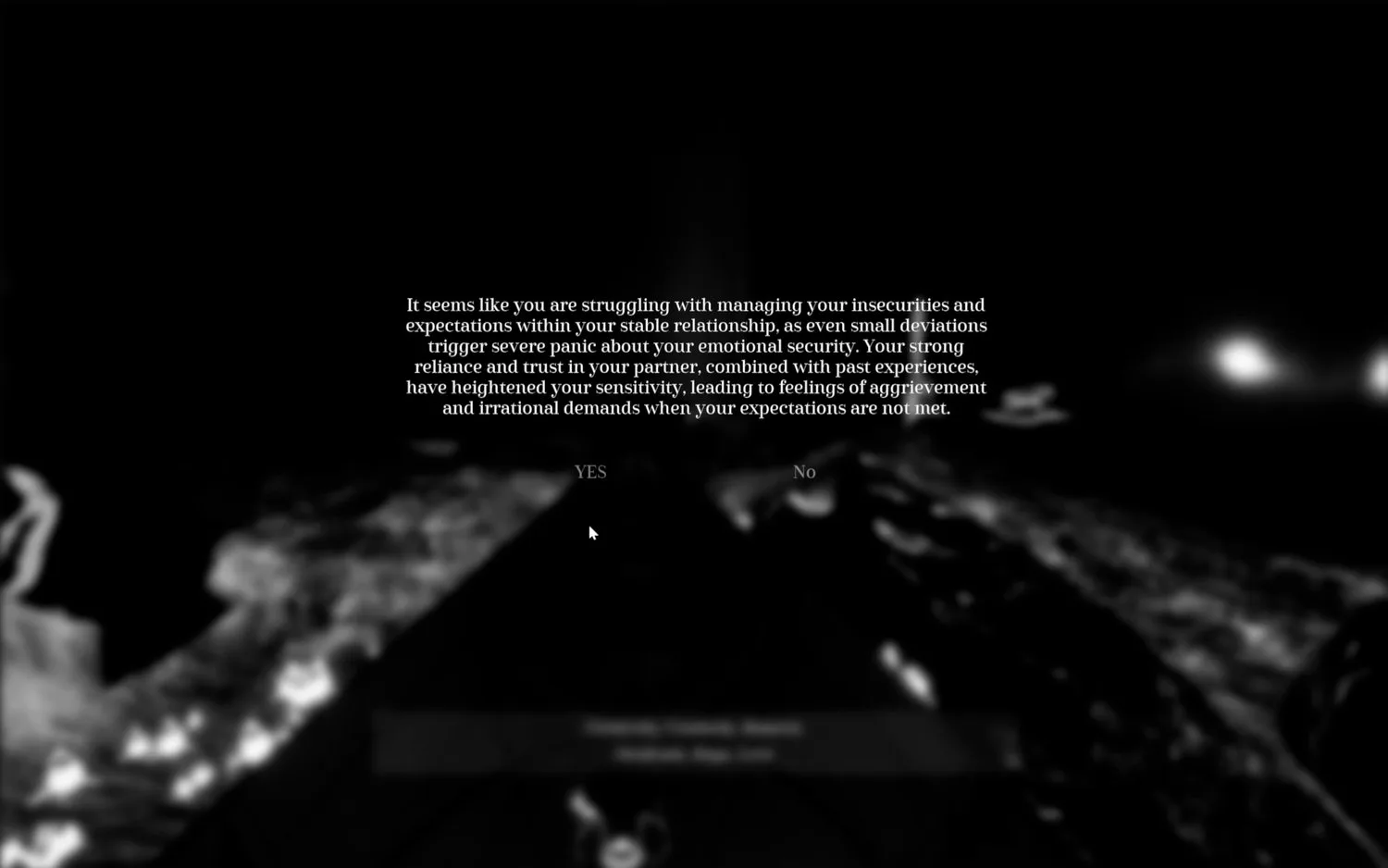
Rising River is an AI-powered VR therapeutic experience that explores whether gaming and VR can democratize Jungian shadow work. Players board a small boat and sail into a cave on a quest to find a giant fish embodying their shadow self. Through real-time voice input, they converse with the cave's voice; using generative AI and prompt engineering, their responses dynamically alter both the dialogue and the surrounding environment, steering the journey deeper into their psyche and cultivating an interactive "mind cave" that mirrors their inner landscape.
Inspiration and Concept
The game integrates Jungian shadow theory and the VIA Character Strengths framework to create a novel approach to therapeutic self-analysis. It began with a fundamental question: Can gaming and virtual reality democratize the therapeutic benefits of Jungian shadow work, making them accessible to a broader audience?
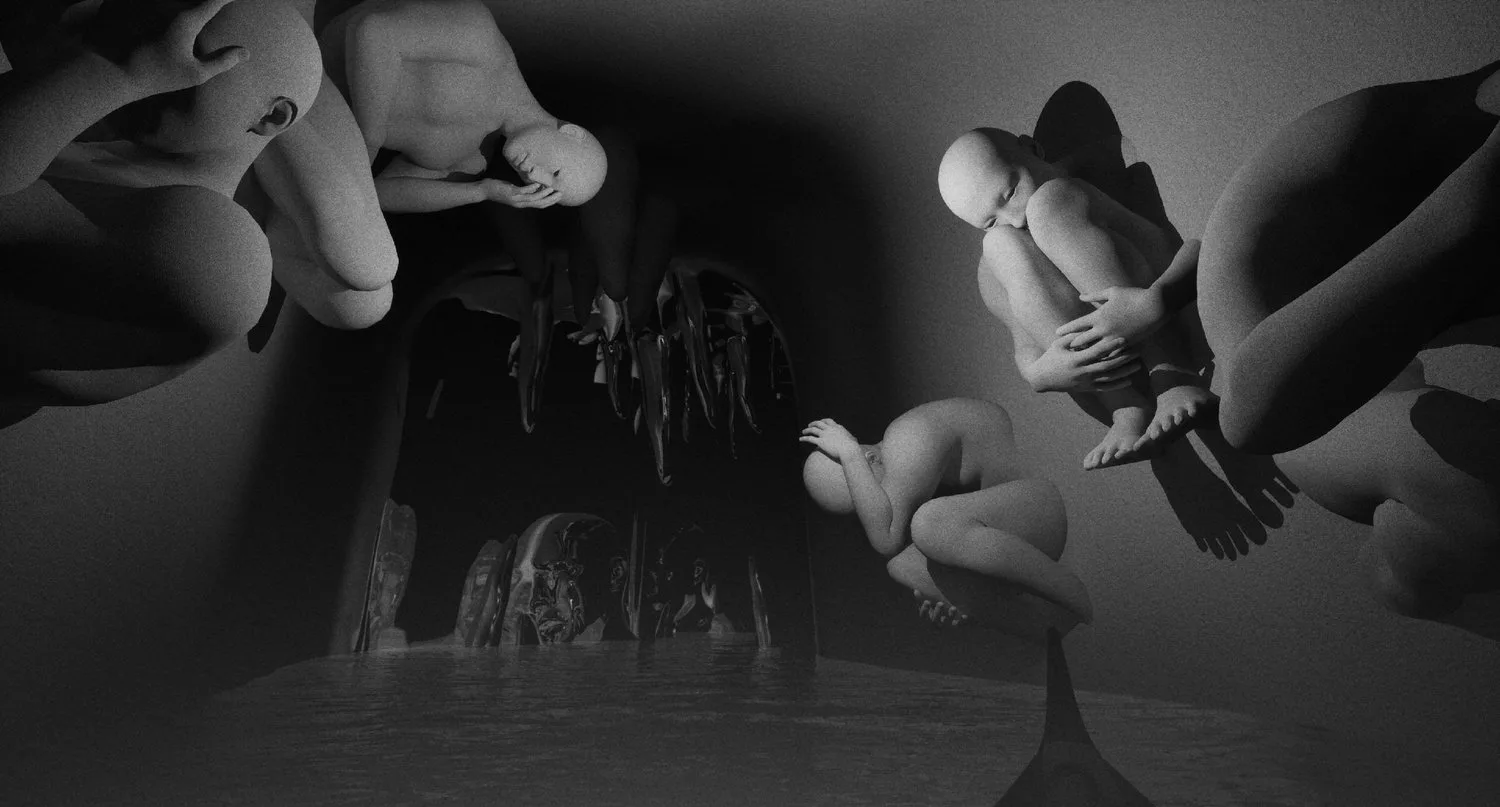
At its core, Jung's theory of the shadow posits that within each person exists a subconscious aspect of the self that remains neglected, suppressed, and poorly understood. Traditional shadow work facilitates an encounter between an individual and their inner shadow. To translate this concept into an interactive experience, we designed a process of self-reflection to bring the shadow into view. This required careful exploration of players' fears, motivations, desires, and memories.
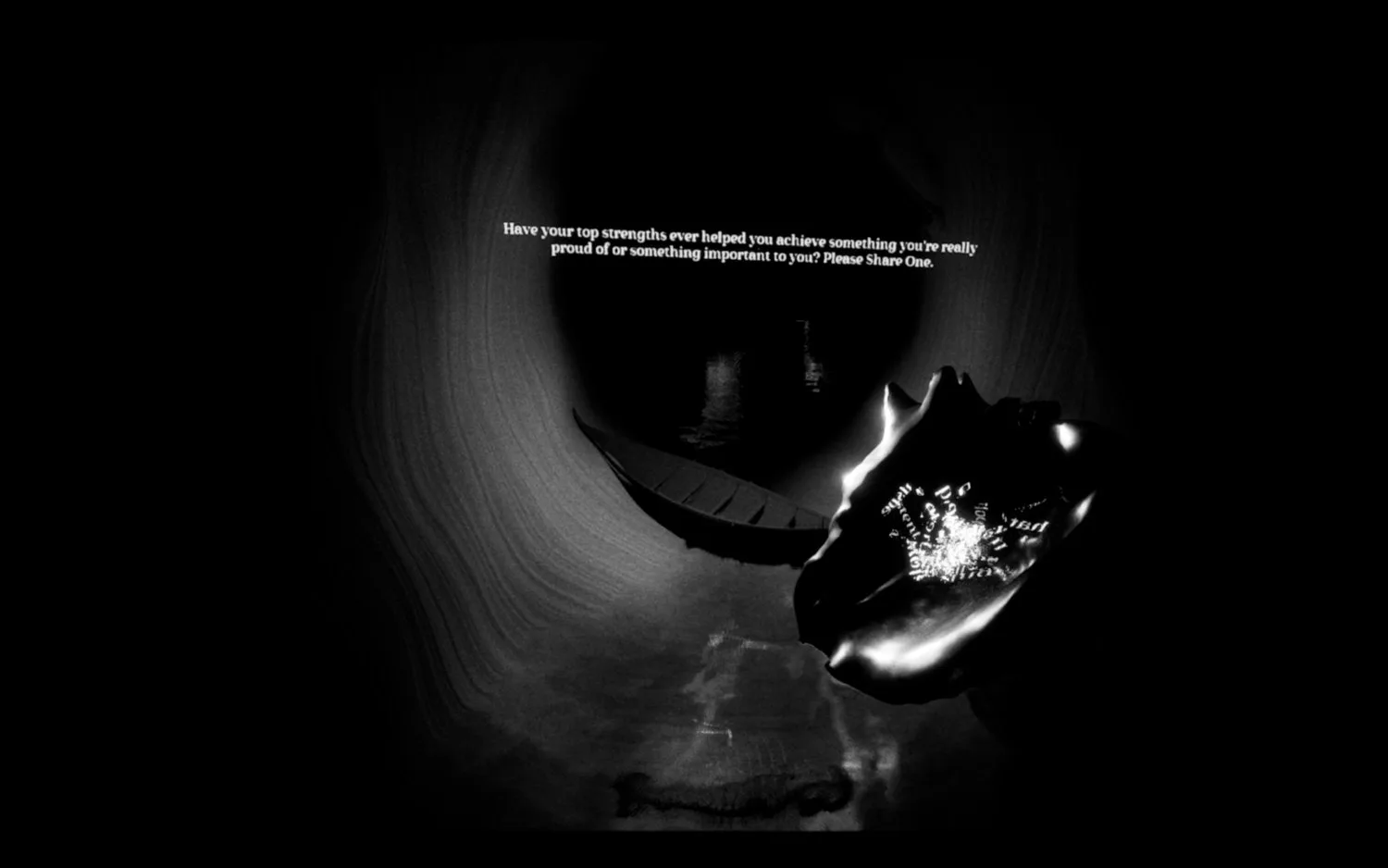
We realized that such exploration needed a foundation in a broader understanding of self-perception, both positive and negative. The VIA 24 Character Strengths framework provided a comprehensive taxonomy of character traits for players to assess as relative strengths or weaknesses. Our key insight was that the traits players identify as lesser strengths during gameplay could reveal areas of insecurity or overlooked aspects of the self.
To enhance this exploration, we leveraged generative AI to craft a personalized narrative journey in a virtual cave. The system dynamically generates content based on the player's responses, enabling a deeper engagement with their shadow self. With the director's background in filmmaking, she views narrative as a powerful tool for organizing memories and psychological structures. Research shows that storytelling helps people find meaning, construct identity, and cope with trauma, making it a vital component of this interactive experience.
Through this embodied VR experience, participants are gently guided into self-exploration via a series of fixed and generative questions, leading them on a unique narrative journey. Players embark on a journey to revive a dried-up, dark river by offering words that reflect their innermost self. Through VR-based physical interactions, their responses become tangible elements within the world.
Technical Details
Platform: Unreal Engine 5
GPT API Integration: Generates dynamic questions and content using OpenAI's GPT, particularly for questions 5-7 and the shadow self revelation in the final scene outside the cave.
Prompt Engineering: Prompt design to help GPT understand player questions and frame responses in a coherent, meaningful direction.
Real-Time Speech-to-Text: Captures player responses and converts them into text for prompt processing.
Text-to-Speech: Converts GPT-generated responses into natural-sounding AI voices.

Awards & Press
- Rising River: A Personal VR Odyssey into Your Shadow — AI-Driven Therapeutic VR Experience — ACM SIGGRAPH 2025 Immersive Pavilion Proceedings, Vancouver, Canada, 2025
- UAAD: Exploring Shadows and Self: In Conversation About Rising River, the AI-Powered VR Experience
- Best XR+ Project – SXSW Sydney 2025, XR + Showcase
- Official Selection – SIGGRAPH 2025 Immersive Pavilion, Vancouver, Canada
- Official Selection – Arte Laguna Prize
- Official Selection – Imagine Fantastic Film Festival 2025
- Silver Winner – 2025 MUSE Creative Awards
- The Art X Gallery Session at GEN-AI SUMMIT Silicon Valley 2024
Credits
- Creative DirectorLois He
- Technical ConsultantXuelong Mu
- AI IntegrationVio Zhu
- VR DevelopmentLois He, Ellen Chen
- Visual DesignJohn Luo
- Tech ArtJohn Luo, Lois He
- UI DesignLillian Sun, John Luo
- Title Design & AnimationXing Zhang, Jun Yang
- Sound & Music DesignKaiyang Zhao
- Psychology-Guided DesignAndrew Trousdale
- Special ThanksWinslow Porter, Dan Tomasulo, Victor Morales, Jonathan Turner, Tianqi Yang, Todd Bryant, Chenyi Lee