
Interactive Experiences @ Cannes Lions 2026
Last week, I attended Cannes Lions for the first time. I visited many brand beach, activation, and interactive experience. Here are a few of the campaigns and installations that I found the most inspiring.
Google Creative House Art Installations
Genie 3: Real-Time AI World Generation
Project Genie is Google's AI world model that generates interactive, explorable virtual worlds from text, images, or sketches in real time.
How it works
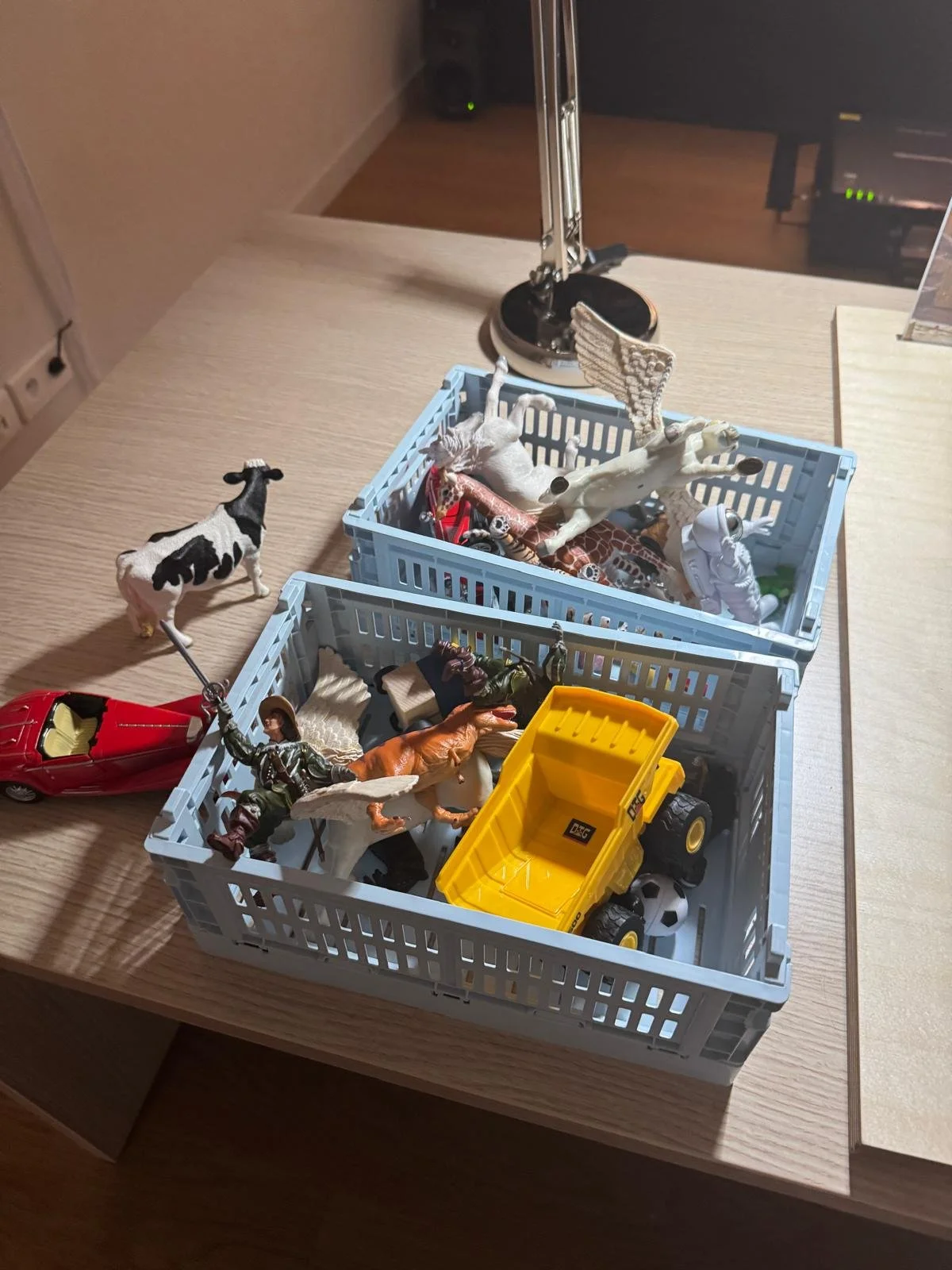
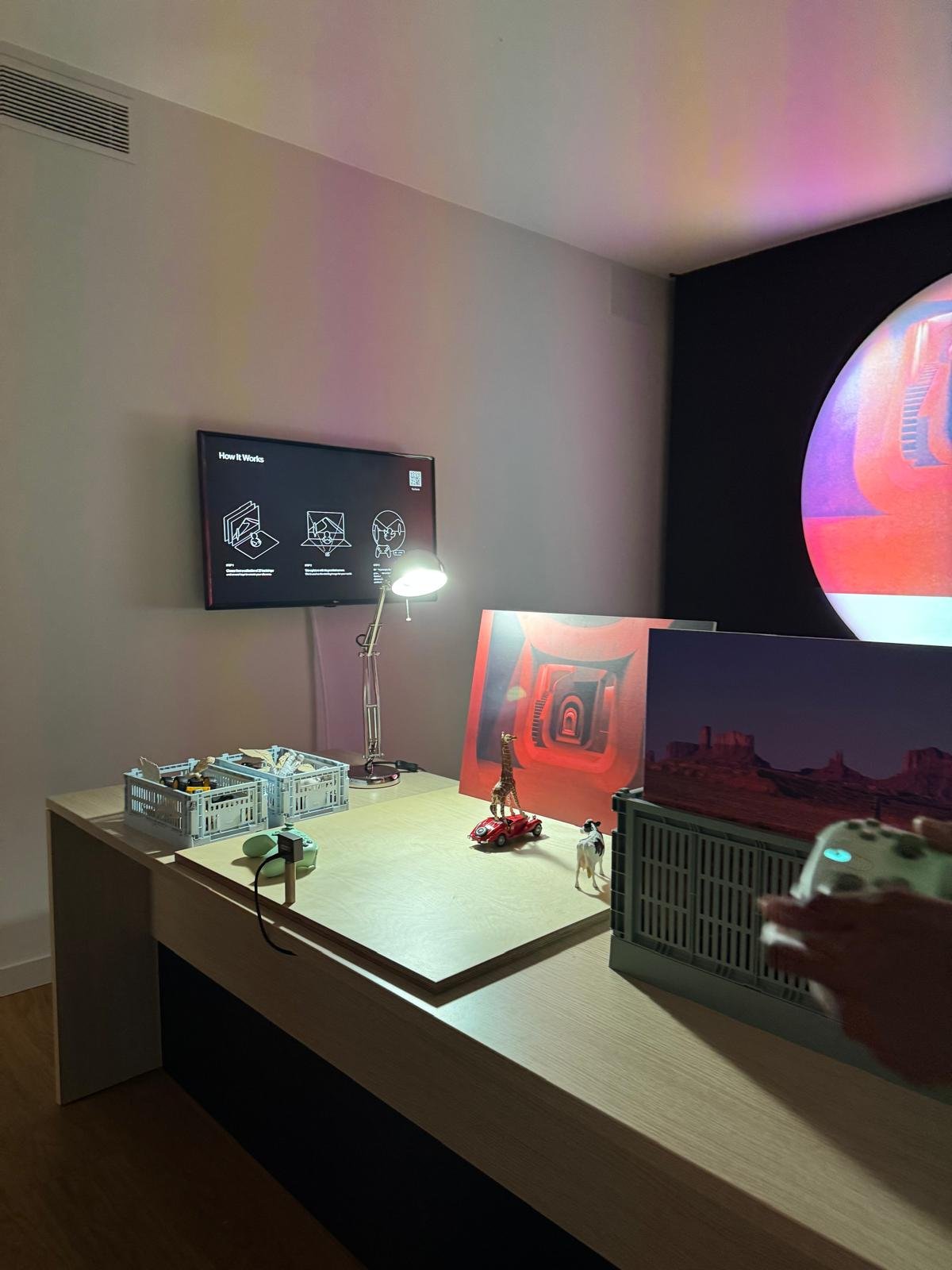
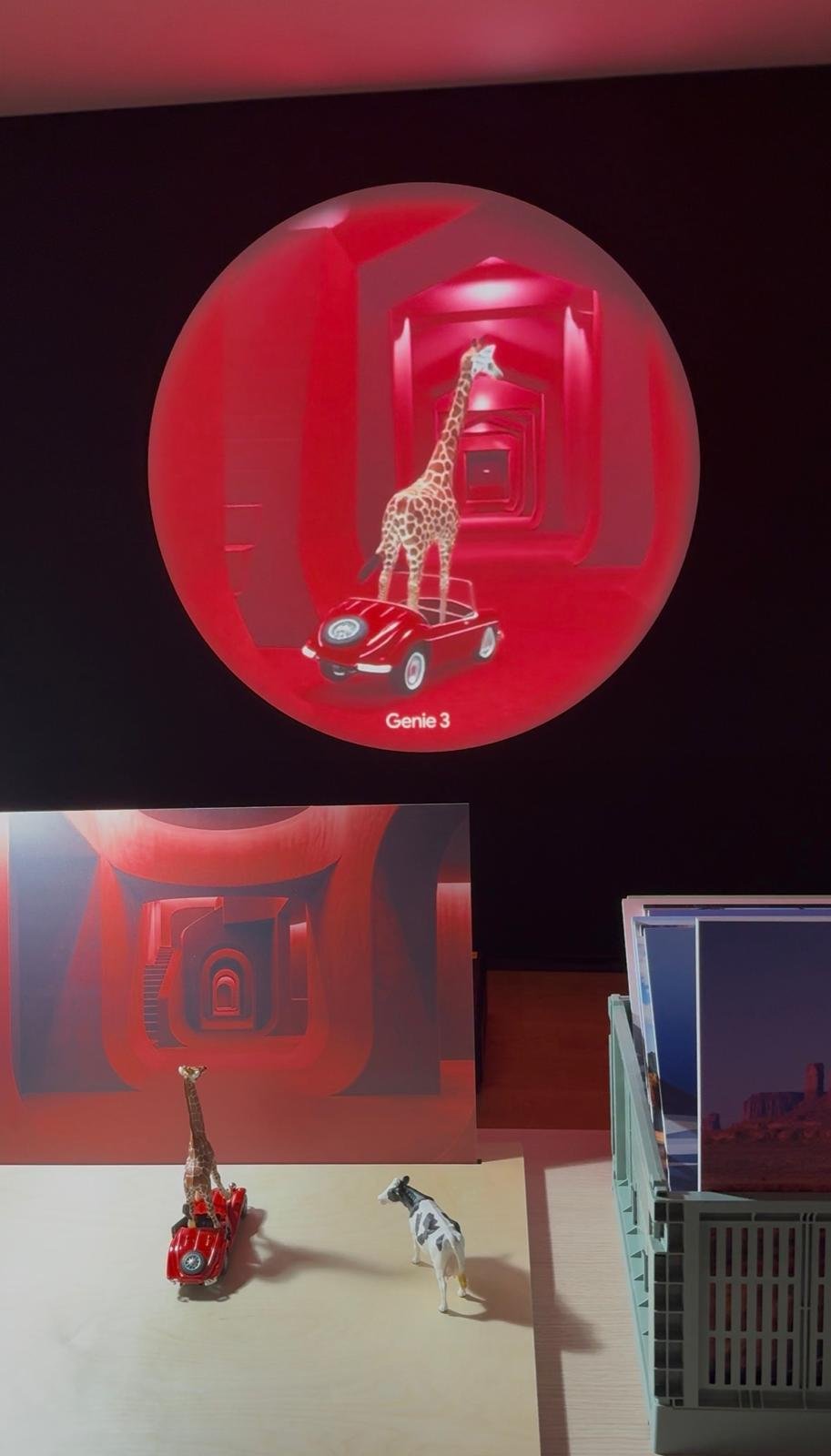
The art installation that stood out was Genie World, powered by Genie 3. Visitors first chose a toy and a background scene, then took a photo using an Xbox controller. Project Genie transformed that single image into a playable world in real time, allowing visitors to control their chosen toy and explore the scene.
Rather than generating a full 3D environment, the AI continuously predicted and rendered the next frame as the player moved, creating the illusion of an interactive world. A particularly clever detail was that when the toy was placed at the center of the image, Genie recognized it as the main character, making the experience feel much more immersive than simply navigating with a free camera. It was a fascinating demonstration of AI-generated interactive worlds and a glimpse into a new form of playable media.
Physical Touch
I also really love the fact that you have to handpick the toys and the background to curate your own scene. After seeing so many touchscreen experiences, adding that layer of physical play really makes this stand out. It makes me feel much more involved in creating the world and shaping the main character's story. There's something really satisfying about using your hands to build the scene—it makes the whole experience feel more personal and immersive.
I tried generating worlds with Genie 3 from Dali’s painting The Persistent of Memory.
Here is the result:
And another one from The Disintegration of the Persistence of Memory:
Drop Yourself on the Cannes Beach
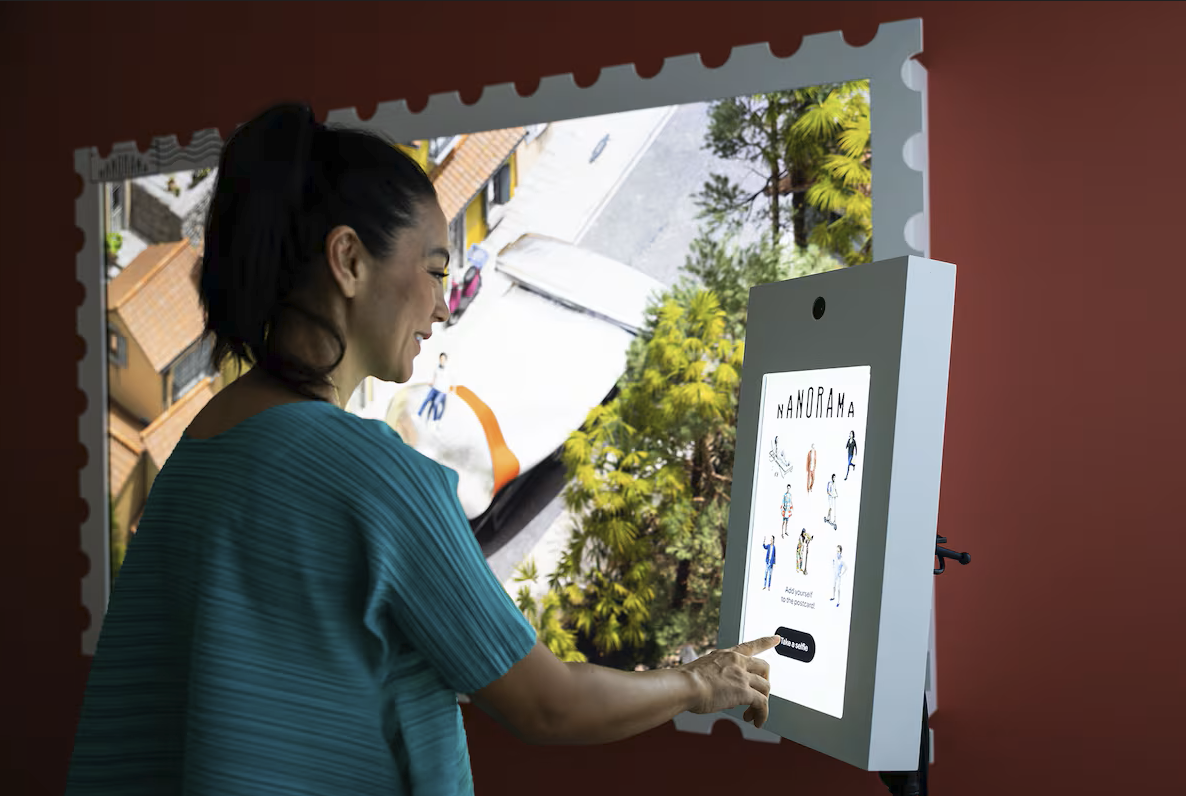
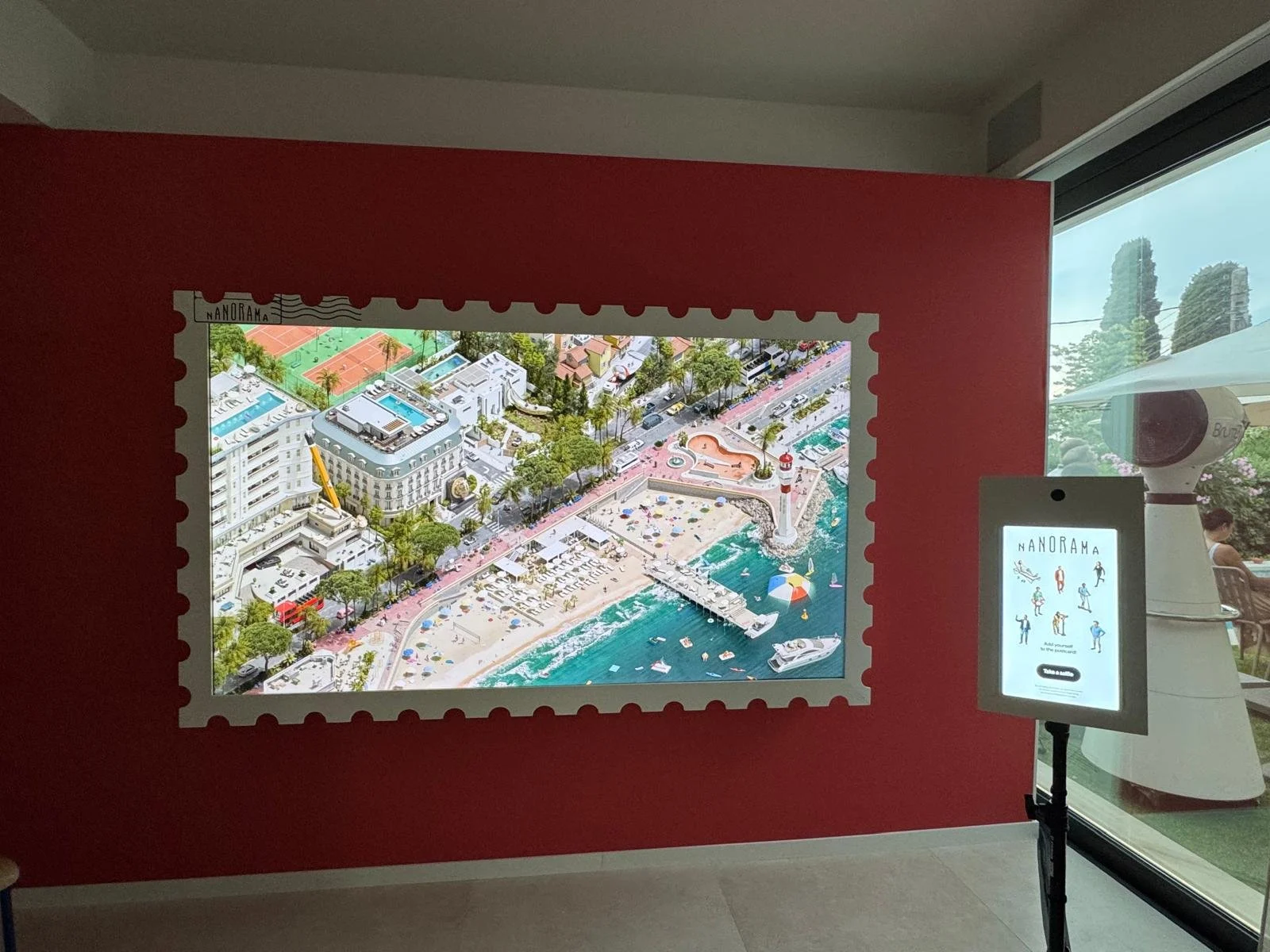
Another installation I really enjoyed invited visitors to "drop themselves" anywhere on the Cannes beach. After taking a selfie on a touchscreen, you could choose any location within a large illustrated beach scene. Moments later, your AI-generated self would appear naturally in that spot—for me, it generated an image of me relaxing on a floating mat with a drink by the sea. It was a delightful way to become part of a familiar place I had just spent the morning exploring.
What impressed me was the production approach. Rather than relying entirely on AI, the team collaborated with a 3D artist to create the entire Cannes beach environment first. The scene was then divided into a fine grid, so each interaction only required regenerating a small section instead of the whole image. This not only kept the visuals consistent as more visitors participated, but also preserved a strong artistic direction. I really appreciated this balance between curated world-building and AI personalization—it made the experience feel much more intentional than simply asking AI to generate everything from scratch.
YOU MUSUEM
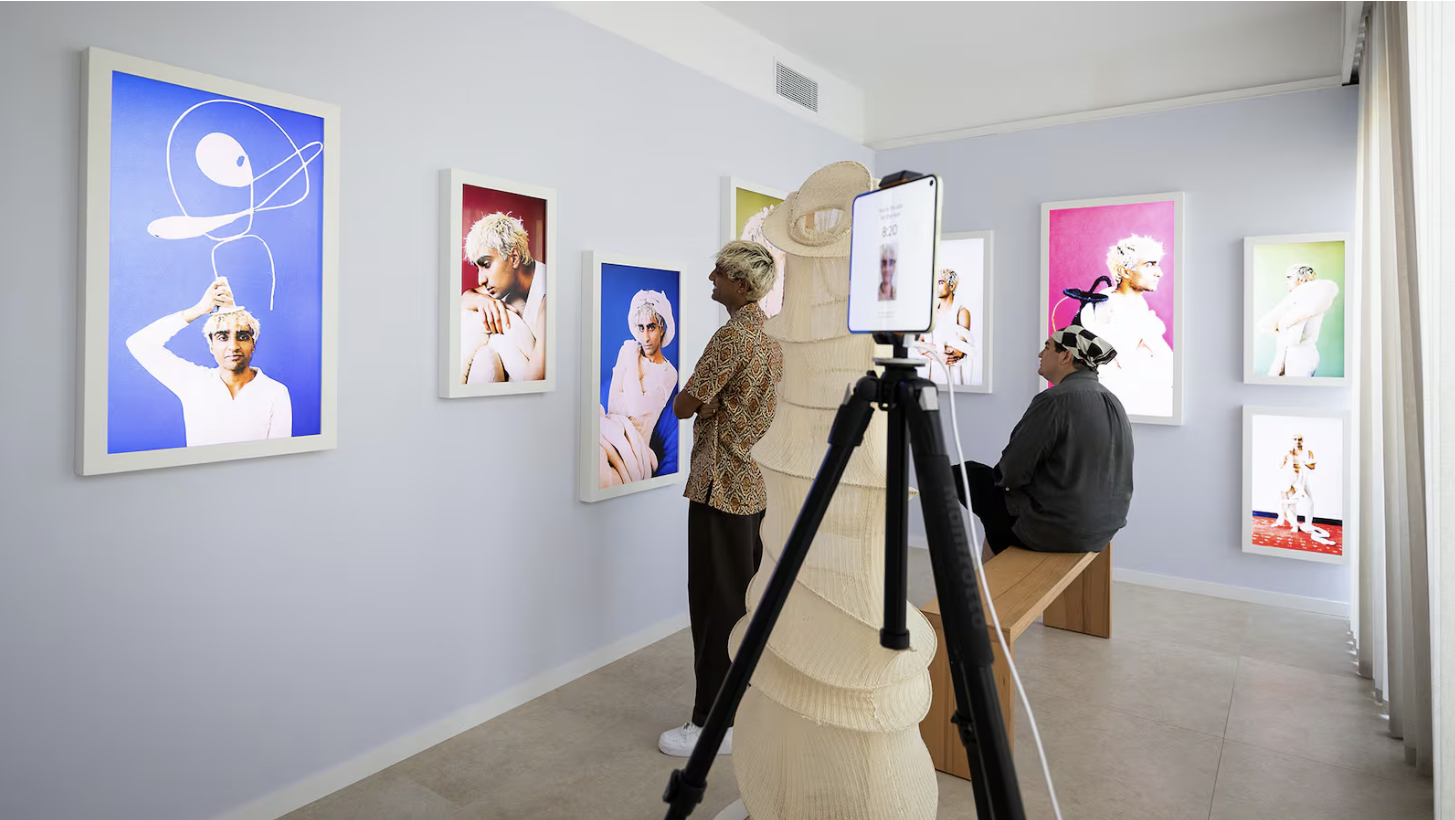
You Museum is an AI-powered personalized gallery experience. Visitors first took a selfie on a touchscreen, and Gemini seamlessly replaced the faces in every fashion photograph throughout the space with their own, making each visitor feel like the protagonist of the exhibition. It was a surprisingly fun experience—I finally understood what it might feel like to walk into a gallery filled with portraits of yourself.
What I found interesting was the creative process behind it. The poses, styling, and garments weren't generated by AI—they were carefully designed in collaboration with a fashion and textile designer. AI simply personalized the final result by replacing the face. I think this thoughtful balance made the experience feel much more intentional and believable. Instead of asking AI to invent everything, the artists curated the visual language first, allowing visitors to become part of that artistic vision rather than replacing it.
Meta Interactive Room
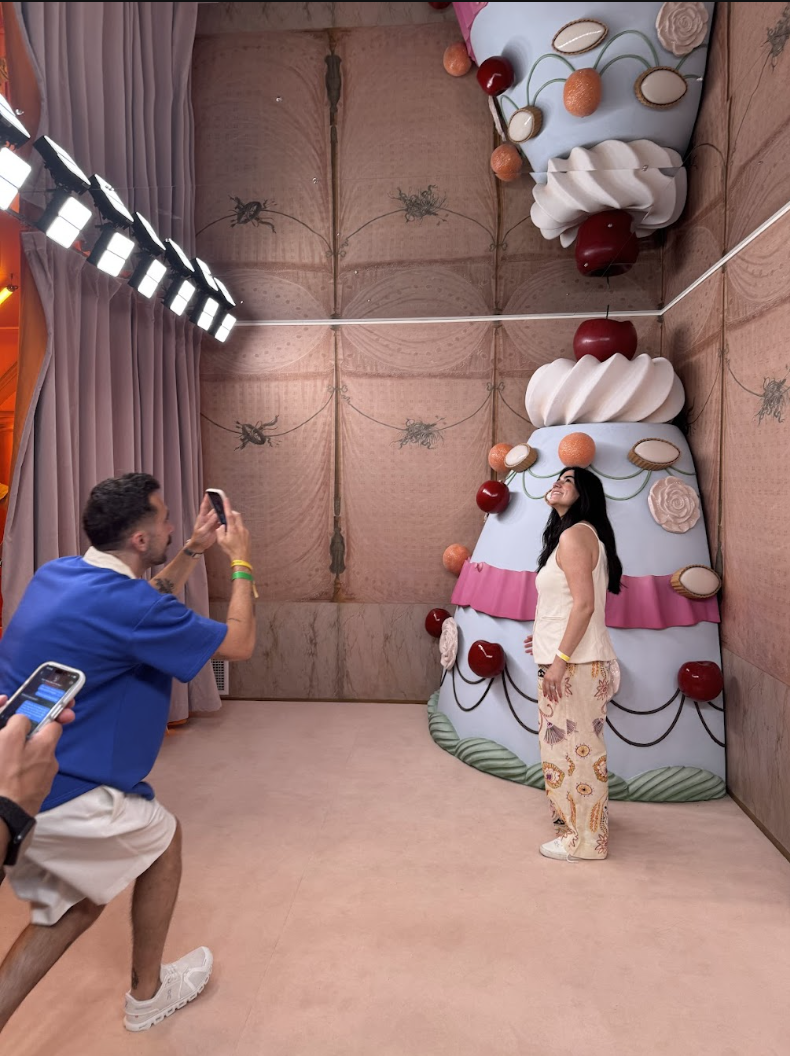
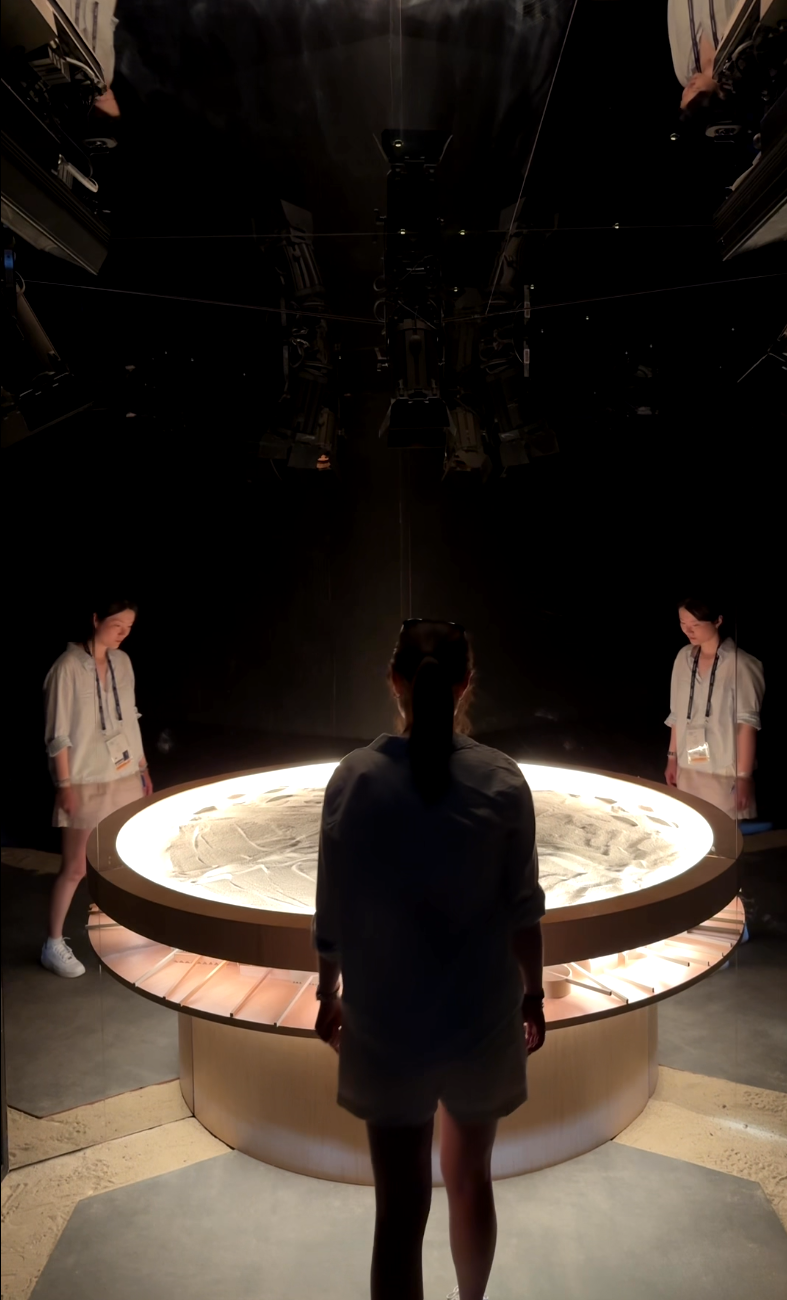
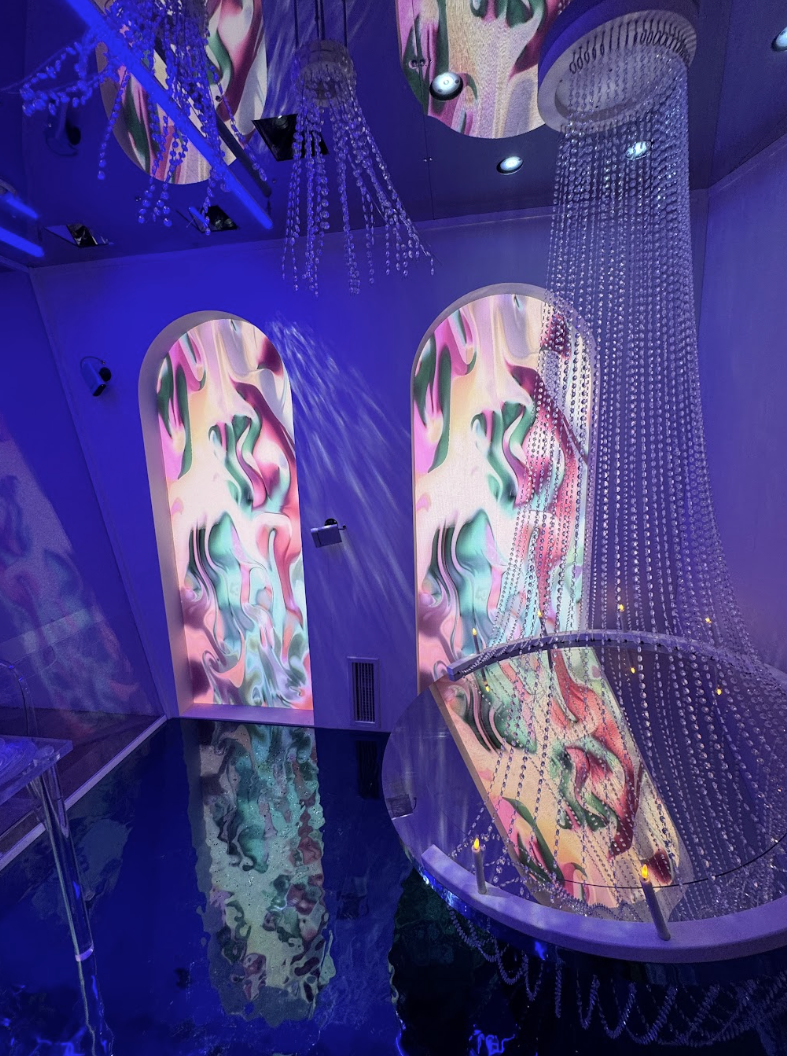
The experience was built around promoting the new Edits app, with every visitor downloading the app before entering. While the interactive installations themselves were beautifully executed, what impressed me most was the operational design.
Throughout each experience, staff members acted like personal videographers, capturing footage, suggesting shots, and editing everything into a polished one-minute Reel using the Edits app.
By the time visitors finished the experience, they already had a high-quality video ready to post. It brilliantly closed the loop between the immersive experience, content creation, social sharing, and product adoption. Rather than simply creating a memorable activation, Meta designed an entire workflow that naturally turned every visitor into a content creator and promoter of the product.
Reddit Deli: A Playful Experience
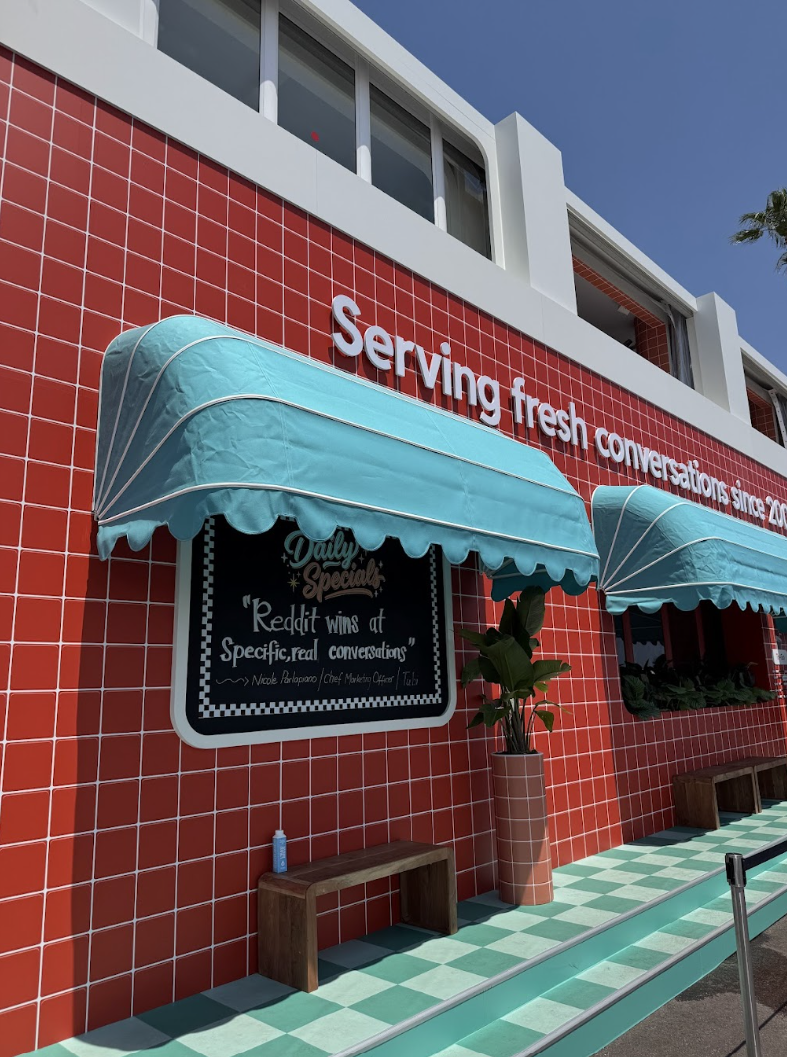
They Have Food
One observation the Reddit experiential creative director shared was that while most brand houses offered plenty of drinks, very few actually served food. Reddit turned that simple insight into an activation by creating a café where visitors could grab a meal. It's an incredibly simple idea, but one that perfectly addressed what people actually needed. In many ways, it reflects what makes Reddit so valuable—its strength has always been listening to real people and uncovering genuine human insights.
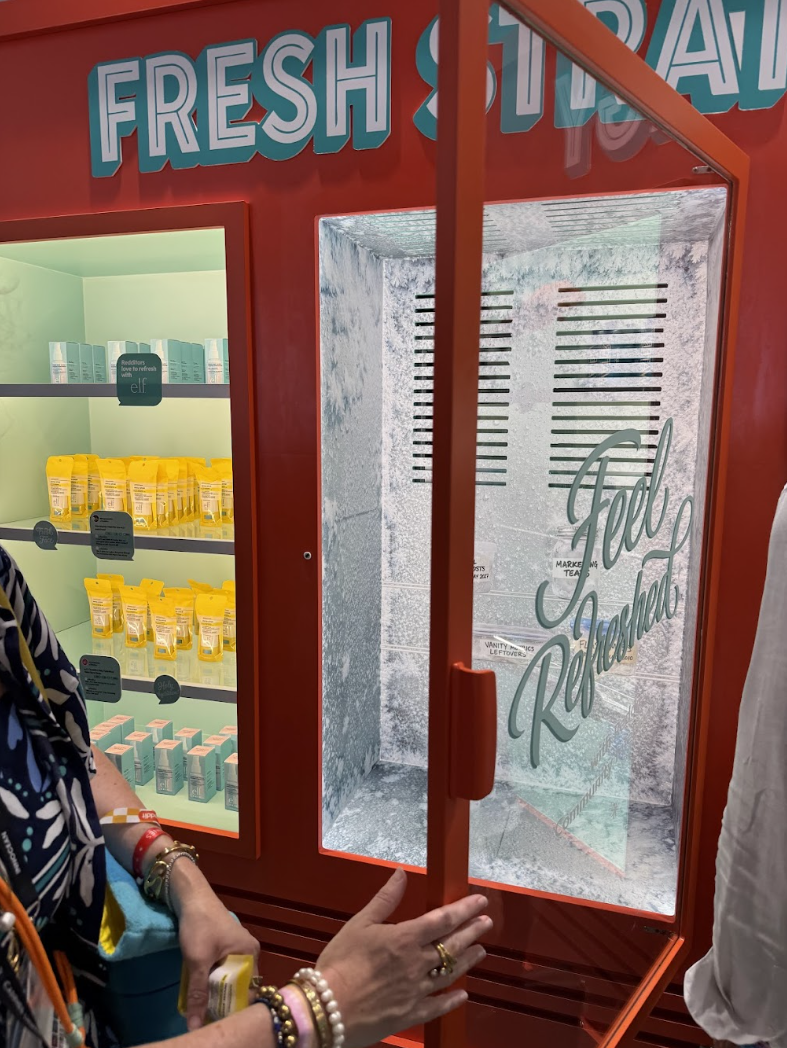
A Freezer for Your Head
Did you ever stick your head inside the supermarket freezer as a kid just to cool off?
With Cannes reaching scorching temperatures and everyone walking around drenched in sweat, Reddit turned that nostalgic memory into a playful activation. They built a giant walk-in freezer where visitors could cool down by sticking their heads inside. Next to it were free e.l.f. sunscreen sticks, and inside the freezer were boxes filled with discarded ideas from the creative director during the development of Reddit's Brand House.
I have to admit—it felt incredibly refreshing.
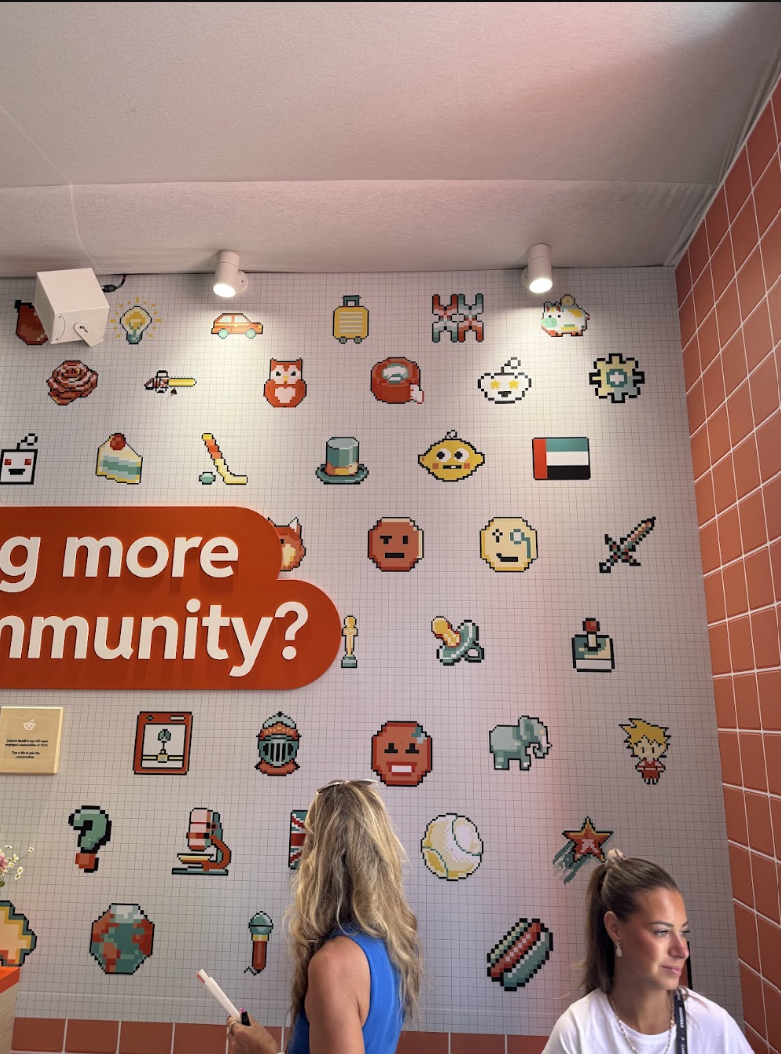
Community Discovery On the Wall
Another detail I really liked was the interactive pixel-art wall. The wall was covered with dozens of pixelated icons representing different Reddit communities. Visitors could simply tap any icon with their phone (using NFC) to instantly open one of Reddit's most active communities and see what people were discussing in real time. It was a playful and intuitive way to transform Reddit's digital communities into a physical, explorable experience.
